

Two shirts can look identical on a hanger and behave completely differently on a body, because one is 100% cotton poplin and the other is a cotton-polyester blend. The label tells you which is which if you know how to read it.
This piece is not a lecture on textiles. It is the shortest useful field guide I can write, focused on one question: given a fabric composition, how formal will this piece read in real life?
The five words that push formal
- Wool (especially merino, worsted, super 100s or higher).
- Silk.
- Cashmere.
- Linen (yes, linen, but only when uncreased or gently rumpled, not exhausted).
- Fine cotton (poplin, oxford, sateen).
These fibres read as considered because they hold shape, they age well, and they are more expensive to produce. Your eye has learned to associate them with dressier occasions, whether or not the specific piece is dressy.
The five words that push casual
- Polyester (in any quantity above 10%).
- Nylon.
- Elastane or spandex (in shirts and trousers, not just gym kit).
- Acrylic knit (the giveaway of a cheap jumper).
- Jersey (soft, stretchy, casual by nature).
These fibres are practical, machine-washable and cheap. That practicality reads as casual, even when the piece is cut smartly. The blazer with 20% polyester will always look like the more casual cousin of its 100% wool sibling.
The mixed compositions and what they actually mean
Most of your wardrobe is mixed. This is where the label gets useful.
98% cotton, 2% elastane
The elastane is doing structural work; it stops the trousers going baggy at the knee. It reads as smart if the cut is smart. Buy this on a trouser and you will get more wears out of it than 100% cotton at a slightly higher cost per wear.
60% wool, 40% polyester
This is a common suit fabric at the mid-range. It is smart on the hanger and slightly less smart on the body. The polyester makes it hold shape but reduces breathability, and the sheen is a giveaway. If you wear this three times a week, fine. If you wear it once a month, spend the extra for pure wool; the piece will last longer and read cleaner.
100% linen
Linen is confidence fabric. Uncreased for the first hour of the day, it reads smart casual. By hour three it is wearing its wrinkles, which if you own the look reads as summer-formal, and if you fight the look reads as tired. Either wear it and mean it or press it every day.
80% cotton, 20% cashmere (in a knit)
One of the sneaky-good compositions. You get most of the softness of cashmere with more durability, at maybe 60% of the price. It reads more formal than a pure cotton knit and less delicate than pure cashmere.
Viscose (also called rayon)
Falls beautifully, which makes it a common shirt fibre. It reads slightly dressier than cotton in a shirt and much dressier than polyester. It has a drapey feel that suits eveningwear, but it also creases and shrinks; do not put it in the dryer.
One rule of thumb
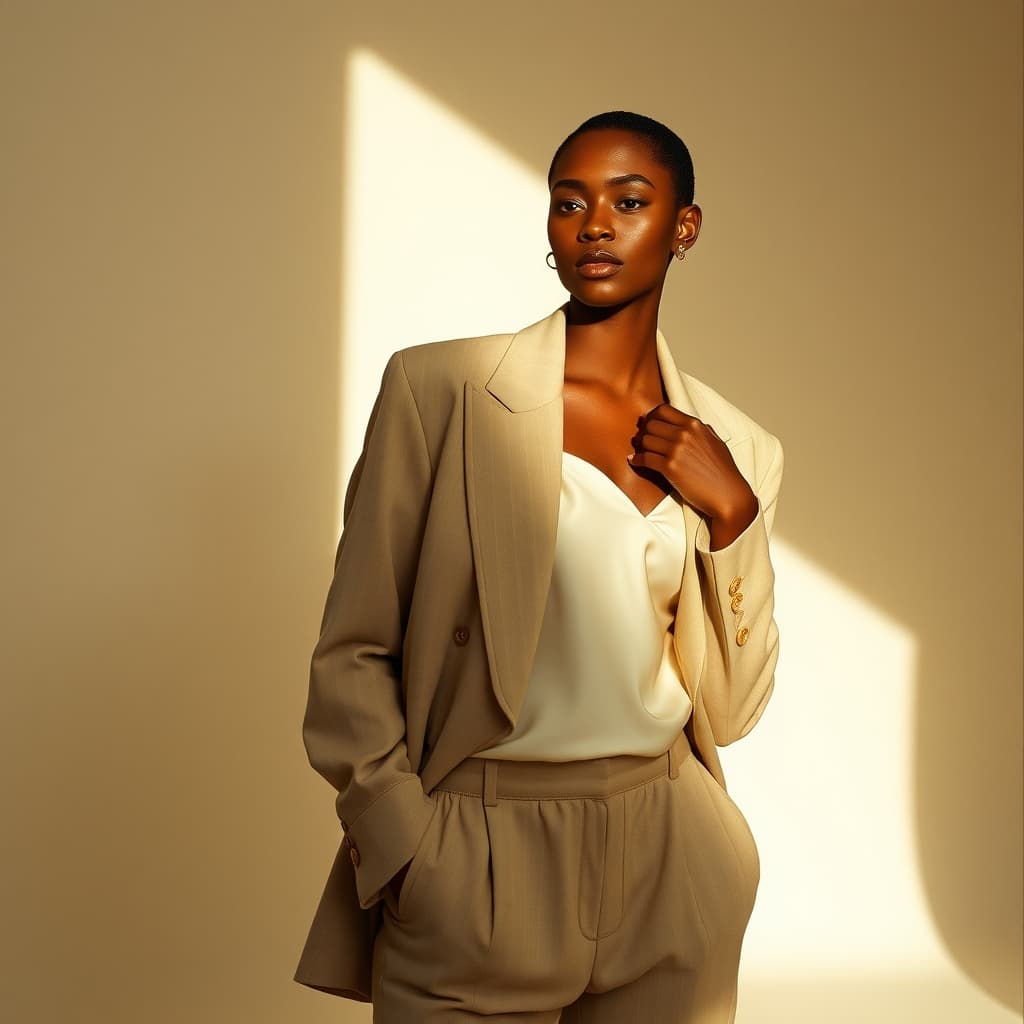
The natural fibre content, in percentage, is roughly proportional to the formality of a piece, all else equal. A 100% wool trouser reads smarter than a 60% wool trouser. A 100% cotton shirt reads smarter than an 80% cotton, 20% polyester one. Aim for higher natural-fibre percentages on your dressier pieces; save the blends for the pieces that need to survive daily wear.
One more label to look at
The care symbols. "Dry clean only" pushes a piece into the smart column by default; the maintenance cost is baked in. "Machine wash cold" pushes toward casual, or toward smart casual with a wool that has been treated for washing. This is worth reading before you buy, not after.
The one that surprises everyone
Silk shirts wash by hand more easily than you would think, especially in cool water with a gentle detergent. The label often says dry clean because it is the safe recommendation for the manufacturer; a careful hand wash saves you £8 a visit and does no harm to a shirt in good condition. Air dry flat, iron on the reverse.